

5 Fluoride Myths Debunked
Tooth decay is a growing problem in Australia, but without water fluoridation it would likely be much worse. Fluoridation is the process of adding a small amount of fluoride to water supplies to help improve oral health in communities, but it also has its opponents who claim that fluoride is hazardous to health.
Separating the fluoride facts from fiction requires research. The Australian Government National Health and Medical Research Council (NHMRC) conducted detailed research into fluoridation to review its effects and debunk some common misconceptions. Here are some of their findings.
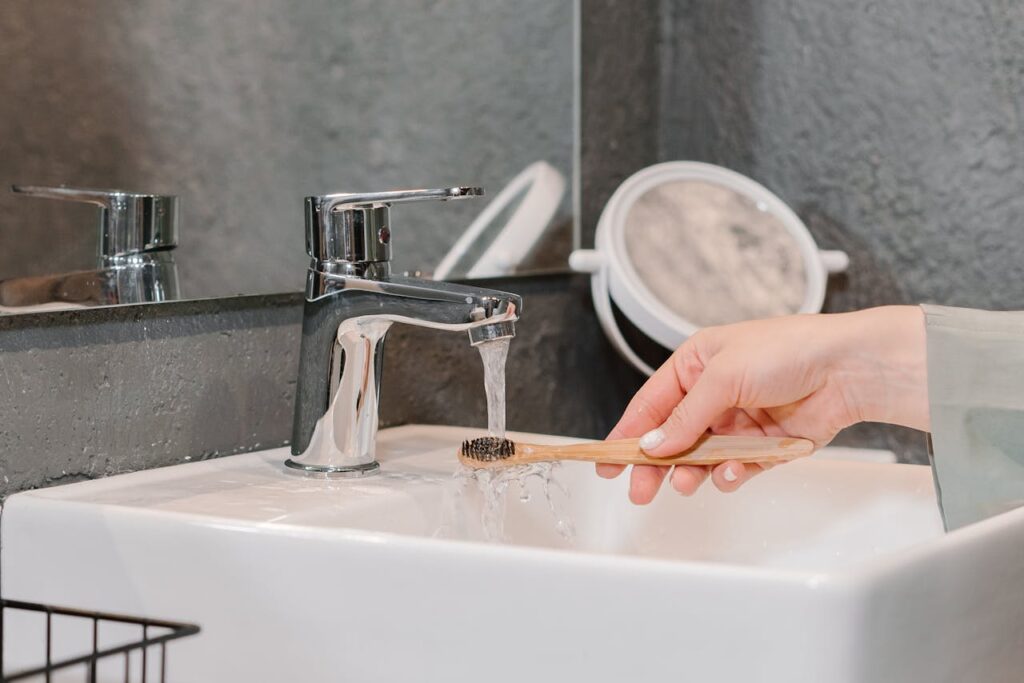
Myth 1: Water fluoridation causes health problems
There is reliable evidence that water fluoridation at the current levels maintained in Australia is safe and is not associated with any negative health effects whatsoever, including cancers, cognitive dysfunction or chronic diseases.
Myth 2: Fluoride is bad for children
Children are often the greatest beneficiaries of water fluoridation, particularly children in lower income families who have less access to dental care and may be at higher risk of tooth decay. NHMRC found that children and adolescents who live in fluoridated areas have between 26% and 44% less tooth decay compared to those in other areas.
Young children who are exposed to excessive fluoride while their teeth are developing can develop fluorosis, a cosmetic condition that involves white marks appearing on their teeth. However, fluorosis is only a risk when children consume fluoride at much higher concentrations than is found in tap water, such as when swallowing toothpaste.
Myth 3: Fluoride is unnatural
Fluoride is a mineral that occurs naturally in the ground and in some groundwater sources. Some parts of Australia already have sufficient fluoride in the water supply to help protect teeth, while others have too much, so the level of fluoride is reduced. NHMRC recommends fluoride is maintained between 0.6 and 1.1 mg/L in water supplies.
Myth 4: Fluoride is banned in Europe
Not all developed nations add fluoride to water supplies, but this is not primarily due to concerns over its health effects. In many European countries, fluoride is added to salt rather than water, where it performs the same function for helping to protect teeth, so water fluoridation is not necessary in these regions.
Myth 5: I already get all the fluoride I need from toothpaste
Even if you already brush your teeth twice a day, your teeth will still be less protected against plaque and decay if you don’t get fluoride from other sources. For optimal dental health, NHMRC recommends:
- drinking fluoridated water
- following a healthy diet with minimal sugar
- brushing your teeth using fluoridated toothpaste
- regular dental check-ups
If you don’t live in a fluoridated area, your dentist may recommend brushing your teeth more often or taking other sources of fluoride if they think you could benefit. These recommendations are based on individual patient needs.
See a dentist in Mosman today
If you’re due for a check-up or you want some advice about taking care of your teeth and gums, make an appointment with our dentists at Mosman 3D Dental. Call us on (02) 9969 8610 or book online.
References
Australian Government National Health and Medical Research Council. NHMRC Public Statement 2017: Water Fluoridation and Human Health in Australia. Available from: https://nhmrc.gov.au/sites/default/files/documents/reports/fluoridation-public-statement.pdf