

What Happens During a Root Canal?
If you have toothache or sensitivity caused by an infection, your dentist will usually recommend a root canal treatment. While that might sound worrying, root canal therapy is one of the most common dental procedures and is performed under local anaesthetic – so you won’t feel any pain while your dentist removes the infection and restores your tooth to good working order.
Your dentist will explain what’s involved in every step of your root canal treatment, but here’s a short guide to give you an idea of what to expect. If you have more questions, or you want to talk to a dentist about your symptoms, contact our team at Mosman 3D Dental today.
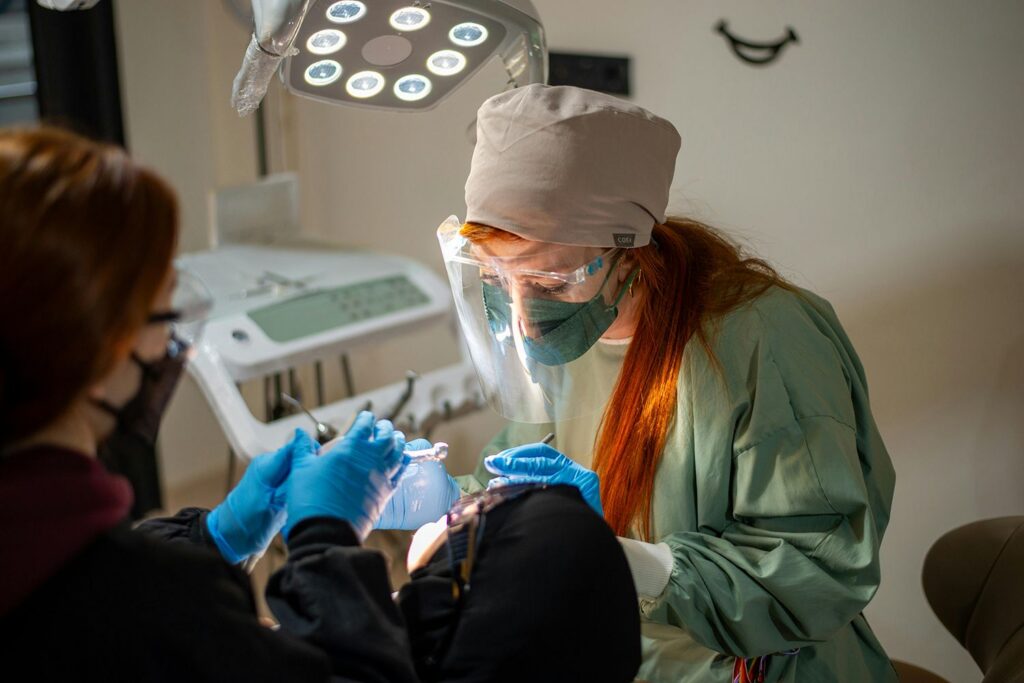
1. Treatment planning
Your root canal treatment might involve one or more visits to the dental clinic, depending on how severe the infection is, the size of the tooth being treated and the type of crown you have. At Mosman 3D Dental, we offer same day crowns that avoid the waiting time involved in making a traditional crown.
2. Pain relief
Like other dental treatments, root canal therapy is routinely performed after an injection of local anaesthetic to numb pain. If you need additional pain relief, or you feel anxiety about your treatment, you can discuss other sedation options with your dentist.
3. Removing the infection
Your dentist will make a hole in your tooth so they can access the infected pulp inside. They will remove the infected tissue and clean the inside of the tooth to remove all bacteria.
4. Placing the filling
Once your tooth has been disinfected, your dentist will carefully reshape it ready to place a synthetic material inside. This can sometimes involve more than one appointment if the tooth is larger, and a temporary filling may need to be placed to protect your tooth between visits.
5. Sealing the tooth
Once your tooth has been filled, your dentist will seal it using a white filling or custom crown. This will protect the underlying tooth and restore its normal chewing function and appearance.
6. Recovery
You may experience some pain or discomfort around the treated tooth once the anaesthesia wears off. This can be managed by taking normal pain relief medication or other remedies. There may also be swelling for up to a few days, which can be controlled with anti-inflammatory medication.
You should try to avoid touching the tooth for a few days, but it’s important to keep following good oral hygiene practices to keep your mouth healthy. Your dentist might arrange a follow-up appointment to check that you’re recovering well and you should also keep up with your routine dental check-ups to lower your oral health risks.
Book a root canal treatment in Mosman
If you have tooth pain or other possible signs of a tooth pulp infection, delaying treatment could make the problem worse and extend your discomfort. Call our friendly team at Mosman 3D Dental on (02) 9969 8610 to schedule an appointment with our experienced dentists or make an online booking at a time that suits you.